
Contents
- Alternative Provision
- Annual Review
- Appeals & Mediation
- Attendance/Not in full time education
- Benefits
- Complaints
- Disability Discrimination
- Education other than in school/college
- Education, Health and Care Plans
- Elective Home Education (EHE)
- Exclusions
- Health
- How should the Local Authority help
- Neurodiversity
- Personal Budgets
- SEN Support in nurseries, schools and colleges
- Service Families
- Social Care
- Transport
- Year 6 Transition
- Young People’s Page
Neurodiversity
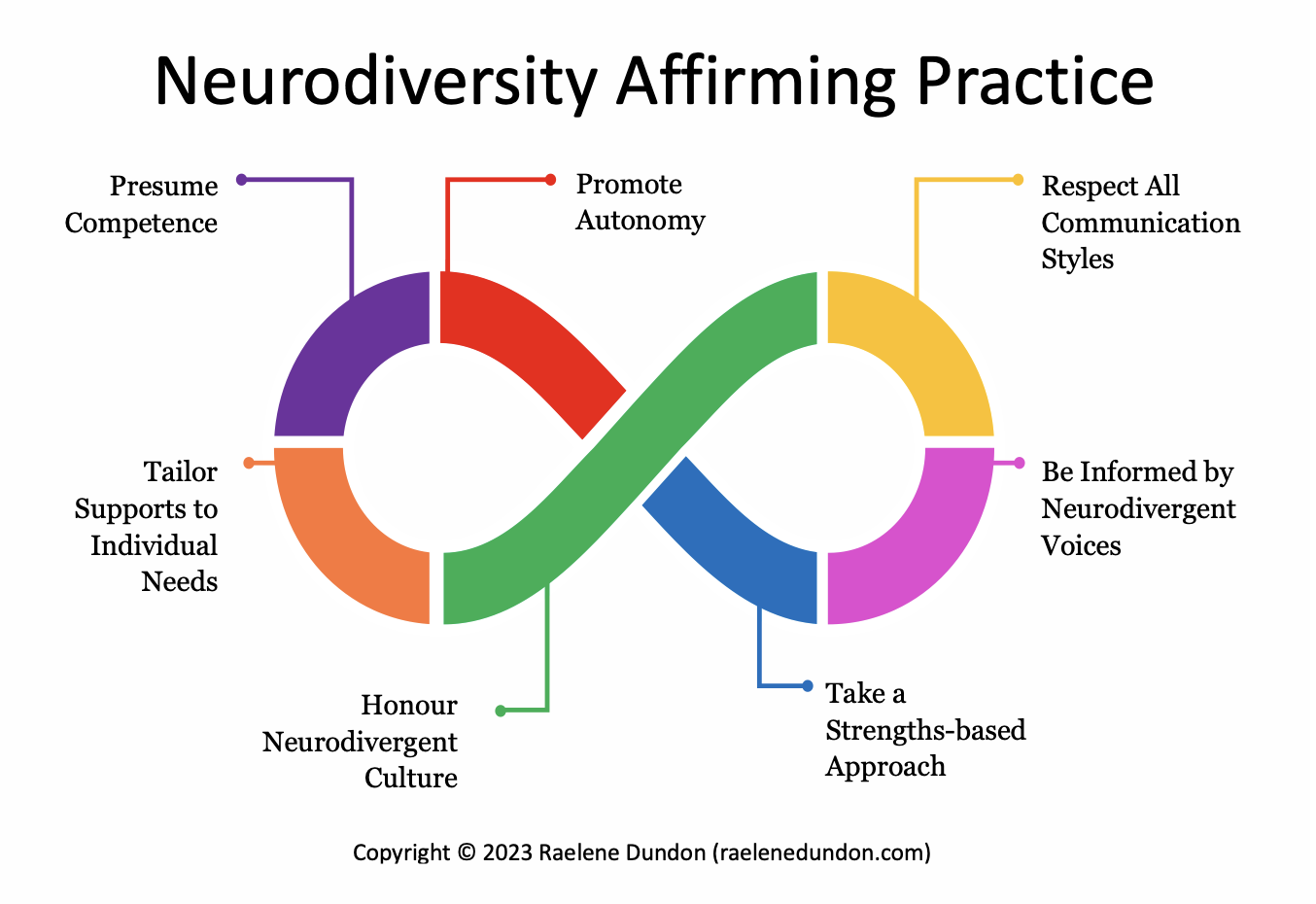
Supporting Neurodivergent Children
We understand that the spectrum of neurodivergence is vast, and every child’s lived experience is unique. Recognising and supporting children with learning differences starts with an individualised approach to ensure that their needs are properly understood and addressed.
We acknowledge that learning environments can often propose challenges to neurodivergent young people and create barriers to their education. It is therefore helpful to offer tailored support that nurtures their strengths and addresses their specific needs. This journey begins with SEN Support (Special Educational Needs Support), which aims to provide the right support and accommodations to enhance their development and success, both in school and in life.
Education providers within Hampshire have access to an abundance of resources and training opportunities in relation to this area and can be accessed via their learning zone Moodle.
To help you on this journey, we have also compiled a list of neuroaffirming resources. These can guide you in creating collaborative conversations for your child or young person with anyone who interacts regularly with them and assist in adopting practices at home.
A great place to start is this article written about how ‘Neurodiversity Can Explain Differences in How People Experience Everyday Life’.
Together you can start creating an environment that aligns with their personal strengths and needs.
Many reasonable adjustments are inexpensive and involve small adjustments in practice rather than expensive equipment or additional staff. Small, considered changes can have a big impact on a student’s education and can benefit all students.
Examples of reasonable adjustments
- Offer alternatives to writing as a key method of recording
- Provide handouts that contain the key learning points rather than asking pupils to copy text from the whiteboard or take notes
- Repeat instructions/information and check for understanding of tasks
- Use visual timetables with colour coding and symbols
- Alter format options onscreen or on an interactive whiteboard
- Encourage peer support to record homework tasks in the planner
- Provide access to assistive technology such as a computer for pupils who find it difficult to read large amounts of text or to write quickly enough in class
- Use multi-sensory ways of teaching including positioning in the classroom, fidget aids and movement breaks.
- Allow time to respond as some students are slower to process information
- Break information and instructions into smaller ‘chunks’
- Safe places and people the young person can access to support regulation.
- Regular communication between home and the education setting to ensure changes are effectively communicated.
Below are a list of links for further neuroaffirming resources that provide a more extensive information, advice and guidance.
The aim of this planner is to help students who struggle with planning, prioritising and organisation (executive function skills) to be able to engage well in class.
This is a frequent issue for autistic students and those with ADHD. It is often the case that these students are unable to demonstrate their brilliant ideas, opinions and knowledge as the tasks get in the way. (Pooky Knightsmith)
DOWNLOAD | Student Class Task Planner – Dr Pooky Knightsmith
A Student Passport can include the young person’s needs and worries and how teachers can assist them with these. Co-produced by the child or young person, their parents, and the school. The document is then kept centrally, to be available to all teachers and support staff.
If your child or young person are having difficulties at nursery, school or college we strongly encourage parents to listen to the feedback received from both the school and the child and piece a picture together in order to better understand the difficulties a child is experiencing and assess where support and accommodations can implemented.
Here are some links to organisations who have created resources with extensive lists of possible adjustments.
- The Autistic Girls Network Downloads | Autistic Girls Network
- ADHD Embrace have created this document of Reasonable-Adjustments-for-ADHD-September-2021.docx (live.com)
- Supporting Children with Dyslexia in the Classroom | Dyslexia UK
- How can I support a learner with dyscalculia? – British Dyslexia Association (bdadyslexia.org.uk)
Spectrum Gaming is an autistic led UK based charity who aim to create a world where every autistic young person knows who they are, is ok, and they can be themselves, whilst developing meaningful relationships and achieving personal goals.
They have created resources to support young people to reach their full potential.
Including: Autism and Sleep, Sensory Toolkit, The Nest Approach – understanding and supporting dysregulation amongst others. Resources | Spectrum Gaming
- ADHD UK is run by people with ADHD for people with ADHD ADHD UK – Homepage – ADHD UK
- Autistic Realms – autisticrealms | Linktree
- Reframing Autism – Teaching Autistic Students: An Educator’s Guide – Reframing Autism
- PDA Society – ‘What helps?’ guides – PDA Society
- Tourettes Action – Support in school (tourettes-action.org.uk)
- The Autism Education Trust (AET) is now the Neuroinclusive Education Network (NEN), part of the National Autistic Society. They have created this guide for parents to help them understand school exclusions, especially for autistic children and what their rights are. It explains that schools should support children’s needs, make fair decisions, and try to help before choosing to exclude a child.